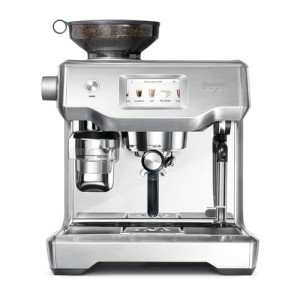
Why All The Fuss About Steam Espresso Machines?
The World of Pump Espresso Machines: A Comprehensive Guide
Espresso machines have actually become a staple in coffee culture, with many lovers and specialists seeking that best shot of espresso. Among different types of espresso machines, pump espresso machines are lauded for their ability to produce rich, flavorful shots regularly. This post explores the inner functions of pump espresso machines, their advantages, disadvantages, and what to think about when acquiring one.
What is a Pump Espresso Machine?
Pump espresso machines use a motor-driven pump to generate pressure, typically around 9 to 15 bars, required for developing espresso. Unlike manual machines, which depend on user strength to create pressure, pump machines provide automated control over the brewing process, ensuring better precision and consistency.
Types of Pump Espresso Machines
There are a number of types of pump espresso machines, each dealing with different users' requirements:
Single-Group Machines:
- Ideal for home use or small coffee shops.
- Typically less costly.
- Uses one brewing group for making espresso.
Double-Group Machines:
- Suitable for coffee shops with higher need.
- Can brew two shots of espresso concurrently.
- More long lasting and complicated elements.
Commercial Machines:
- Designed for high volume and continuous use.
- Geared up with several developing groups.
- Functions advanced temperature management and automation.
Semi-Automatic Machines:
- Mix of manual control and machine automation.
- User manages the water circulation, permitting experimentation and customization.
Automatic Machines:
- User sets the shot volume, and the machine immediately stops when complete.
- Provides convenience while maintaining good quality.
Type
Best For
Pros
Cons
Single-Group
Home users, small cafes
Affordable, compact
Restricted in output
Double-Group
Medium to big cafes
High effectiveness
Higher cost and complexity
Commercial
High-volume coffeehouse
Built for durability
Expensive
Semi-Automatic
Coffee enthusiasts, home users
Control over procedure
Requires ability and practice
Automatic
Busy cafes or offices
Convenience and consistency
Less control over the coffee
Advantages of Pump Espresso Machines
Buying a pump espresso machine presents a number of advantages:
- Consistency: The machine's ability to keep steady pressure and temperature level outcomes in consistent shots of espresso that yield a rich and delicious beverage.
- Customization: Many pump machines use programmable settings, permitting users to change parameters like shot volume and pressure to create tailored espresso.
- Toughness: Most pump espresso machines are developed with high-quality materials, guaranteeing they are lasting and dependable.
- Speed: Higher pressure lead to faster extraction times, making pump machines ideal for busy environments.
Downsides of Pump Espresso Machines
While there are various advantages to pump espresso machines, some drawbacks need to be acknowledged:
- Cost: Pump machines can be significantly more pricey than other types of espresso machines, particularly commercial-grade models.
- Complexity: With more innovative innovation comes a steeper learning curve. Users may need additional training to run semi-automatic and automatic machines.
- Upkeep: Regular upkeep is needed to make sure optimal performance, which can be time-consuming and labor-intensive.
Key Features to Consider When Buying a Pump Espresso Machine
When looking for a pump espresso machine, specific features should be prioritized to fulfill personal needs and choices:
Price:
- Establish a budget before starting to browse.
- Consider the cost of maintenance and necessary accessories.
Size and Design:
- Ensure it fits within offered cooking area area.
- Look for an attractive design that complements your cooking area decor.
Construct Quality:
- Investigate the products utilized in building and construction.
- Stainless steel bodies and high-quality components usually indicate better resilience.
User Control:
- Decide just how much control over the brewing procedure is desired.
- Semi-automatic options are more hands-on, whereas totally automatic machines require less user intervention.
Temperature Control:
- A good temperature control system is vital for brewing espresso properly.
- Look for machines with dual boilers or thermoblock systems for stability.
Wattage:
- Higher wattage machines warm up faster, which is important for busy operations.
- Machines with around 1500 watts are ideal for many home and commercial uses.
Common Brands of Pump Espresso Machines
- Breville: Known for user-friendly styles, terrific for home developing.
- Rancilio: Offers both commercial and home choices with excellent construct quality.
- La Marzocco: Premium machines preferred in numerous commercial environments for their durability and quality.
- Gaggia: Offers affordable options for those new to espresso making.
- De'Longhi: Versatile machines with a range of features ideal for numerous budget plans.
Frequently Asked Questions About Pump Espresso Machines
Q1: How do I keep my pump espresso machine?
To keep your pump espresso machine in top shape, regularly clean the brew group, descale every couple of months, and replace water filters as required. Always refer to the maker's standards for specific upkeep procedures.
Q2: Is a pump espresso machine worth the financial investment?
If you are a coffee lover who values high-quality espresso and the experience of brewing, a pump espresso machine can be a rewarding investment.
Q3: Can I make other coffee drinks with a pump espresso machine?
Yes, a lot of pump espresso machines can brew various coffee beverages, consisting of lattes, cappuccinos, and americanos when coupled with a milk frother or steam wand.
Q4: What should I try to find in an entry-level pump espresso machine?
For newbies, consider machines with a basic interface, integrated grinders, and a milk frothing accessory. Look for positive user reviews on dependability and ease of use.
Q5: Are there specific beans I should use with a pump espresso machine?
For optimum results, use fresh, high-quality espresso roast beans fit to espresso developing. Grind them simply before brewing for the best taste profile.
Pump espresso machines have reinvented the way coffee enthusiasts brew their favorite drink, integrating quality, control, and consistency in one plan. By understanding the numerous types, features, and upkeep requirements of these machines, purchasers can make informed choices and discover the perfect machine to fit their coffee requires. Whether for Espresso Machines With Grinder or commercial functions, a pump espresso machine is an investment that elevates the coffee experience to brand-new heights.